
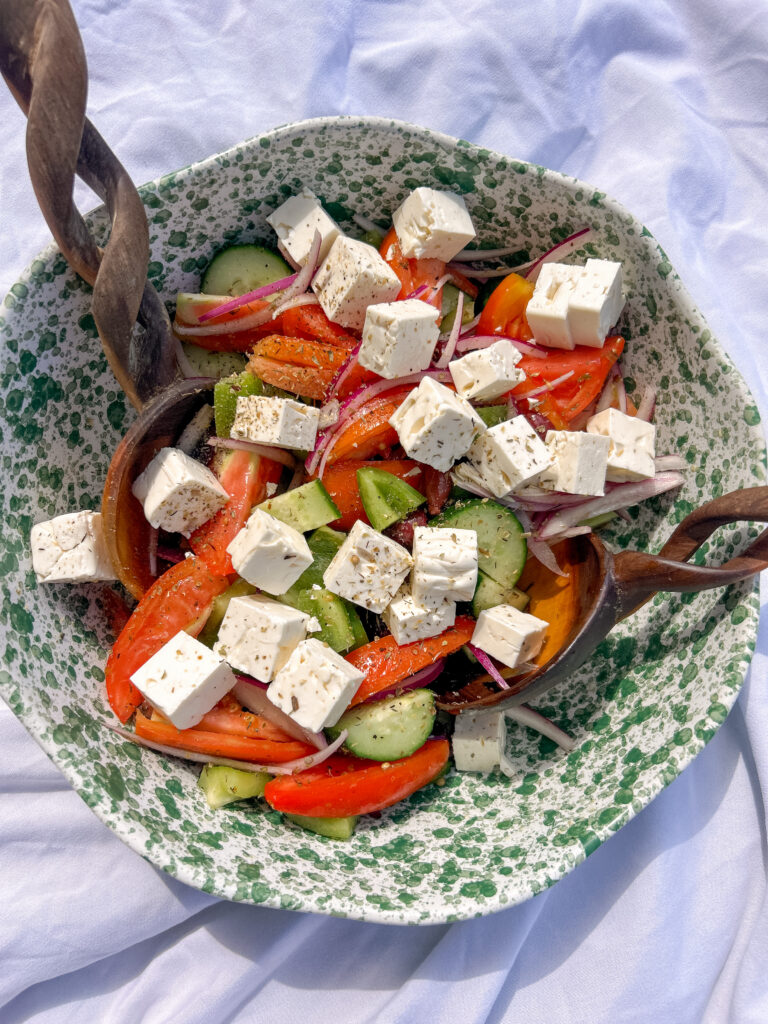
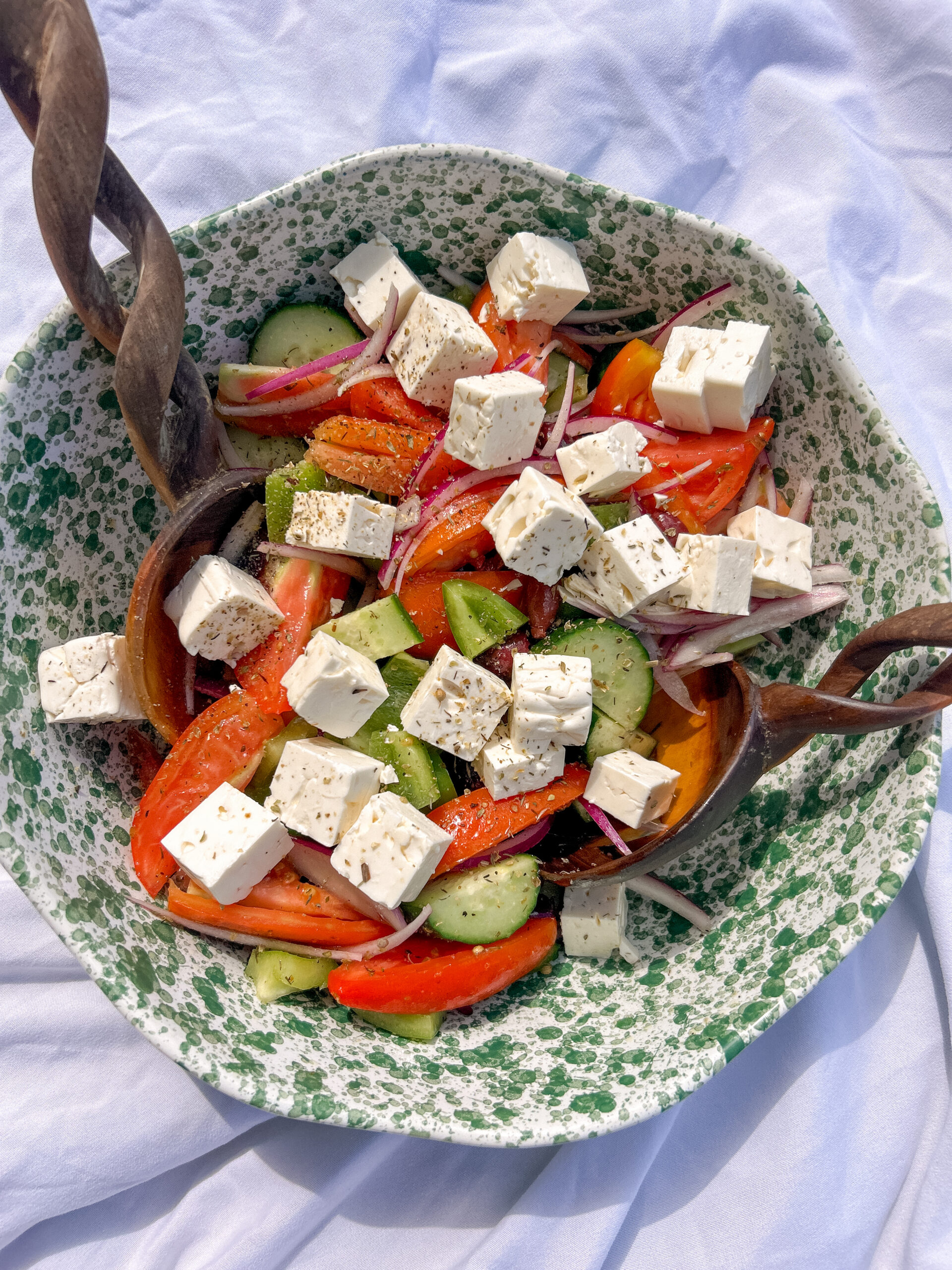
Traditional Greek Salad, also known as Horiatiki, is a fresh Mediterranean salad made with juicy tomatoes, crisp cucumber, green bell pepper, red onion, Kalamata olives, creamy feta, and a simple olive oil dressing. Ready in just 20 minutes, this authentic Greek village salad is one of the easiest and most flavorful side dishes you can make.
This post contains affiliate links, which means I’ll receive a commission if you purchase through my link, at no extra cost to you. Please read the full disclosure here.
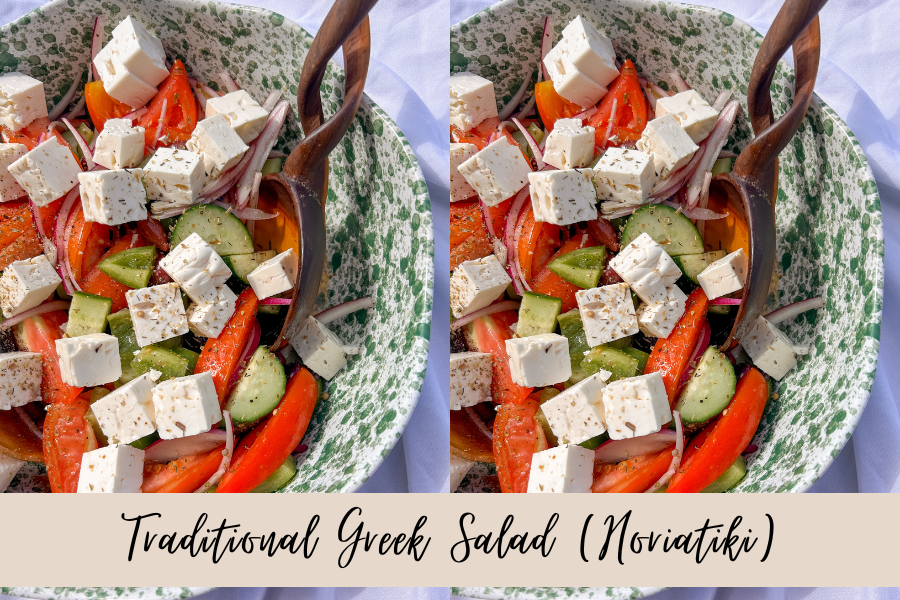
Growing up around New Orleans, I was always surrounded by bold flavors from different cultures, so it’s no surprise that Mediterranean food has become one of my favorites. I love recipes that let simple, fresh ingredients shine, and this Traditional Greek Salad is the perfect example.
If you’ve only ever had the American-style Greek salad loaded with lettuce, you’re in for a treat. Authentic Horiatiki skips the lettuce entirely and instead relies on ripe tomatoes, crunchy cucumber, peppers, olives, feta cheese, and a generous drizzle of extra virgin olive oil. Every bite is bright, fresh, and packed with classic Mediterranean flavor.
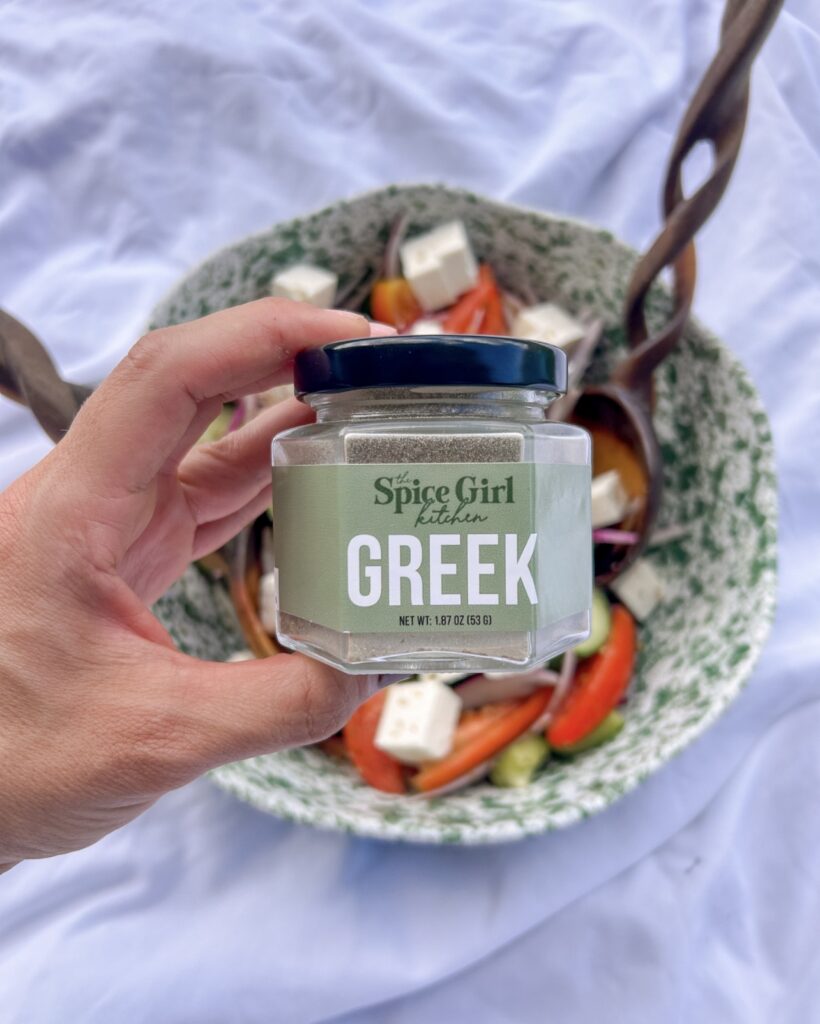
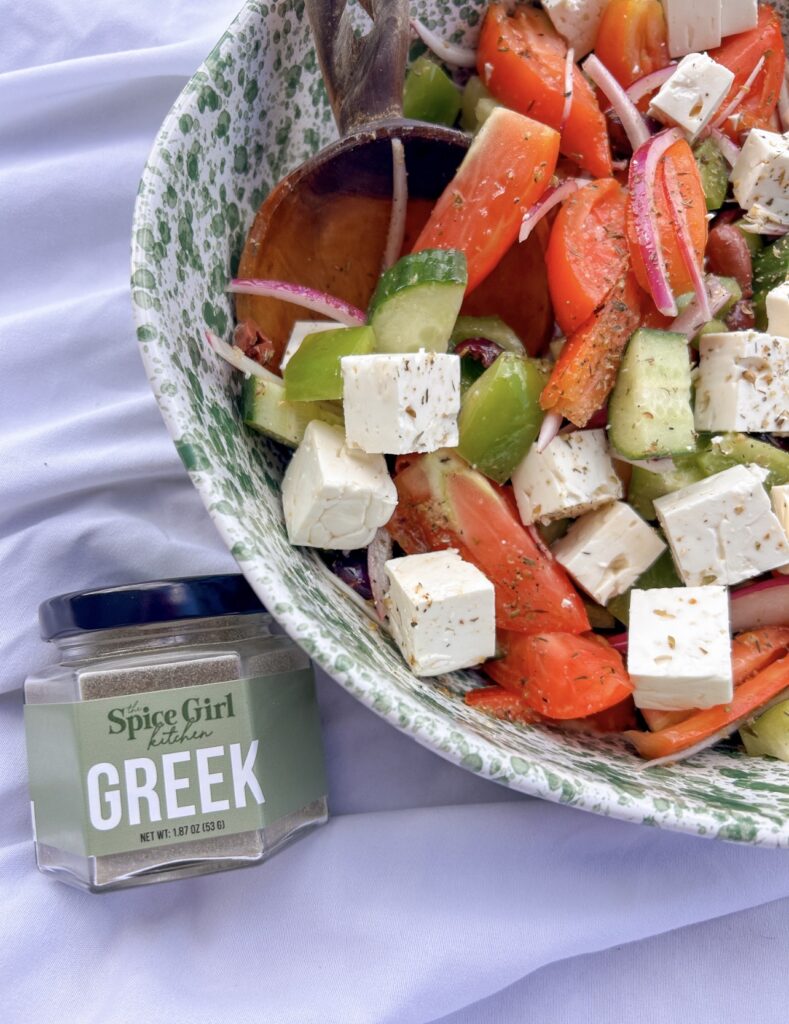
I also love using my Greek Seasoning in this recipe. It contains the classic herbs that pair beautifully with the vegetables while staying true to the traditional flavors of the salad. Since it’s completely salt free and contains no fillers, you can season the salad exactly to your taste.
Whether you’re serving it with grilled chicken, lamb, fish, or simply enjoying it with warm crusty bread, this authentic Greek salad is one of those recipes you’ll find yourself making all summer long.
Why You’ll Love This Traditional Greek Salad
- Ready in just 20 minutes
- Fresh, vibrant Mediterranean flavors
- Naturally gluten free and low carb
- Made with simple, wholesome ingredients
- No lettuce to wilt
- Perfect for summer meals and cookouts
- Easy to pair with grilled meats and seafood
- Even better with my Greek Seasoning
What is Horiatiki?
Horiatiki (pronounced hor-ee-AH-tee-kee) literally means “village salad” in Greek. It’s the traditional salad served throughout Greece and is known for its simple ingredients and rustic presentation.
Unlike many restaurant Greek salads in the United States, authentic Horiatiki does not include lettuce. Instead, it’s built around large pieces of ripe tomatoes, cucumber, green bell pepper, red onion, Kalamata olives, and a block of feta cheese, all dressed with extra virgin olive oil and herbs.
The beauty of this salad is its simplicity. Every ingredient has a purpose, and using fresh, high-quality produce makes all the difference.
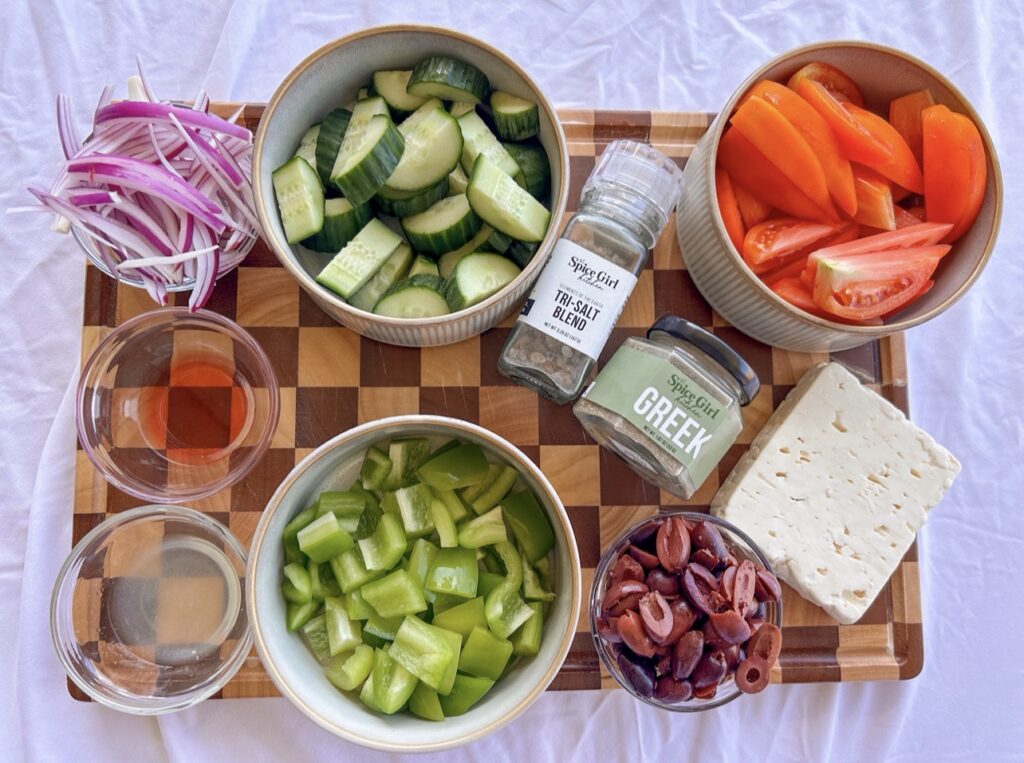
Ingredients You’ll Need
Roma Tomatoes
Ripe tomatoes are the star of this salad. Choose tomatoes that feel heavy for their size and are deeply red for the best flavor.
English Cucumber
English cucumbers have thinner skin and fewer seeds, making them perfect for fresh salads without needing to peel them.
Green Bell Pepper
Green bell pepper adds a fresh crunch and slightly earthy flavor that balances the sweetness of the tomatoes.
Red Onion
Thinly sliced red onion provides just enough bite without overwhelming the other ingredients.
Kalamata Olives
These briny olives are a signature ingredient in authentic Greek salad.
Block Feta Cheese
Always choose block feta packed in brine if possible. It’s creamier, richer, and much more flavorful than pre-crumbled feta.
The Spice Girl Kitchen Greek Seasoning
My Greek Seasoning blends classic Mediterranean herbs without adding salt or fillers, making it an easy way to enhance the traditional flavors of this salad.
Extra Virgin Olive Oil
A good-quality olive oil is one of the most important ingredients since the dressing is so simple.
Red Wine Vinegar
Adds just enough acidity to balance the richness of the olive oil and feta.
Fresh Lemon Juice
A squeeze of lemon brightens the dressing and complements the herbs beautifully.
How to Make Traditional Greek Salad
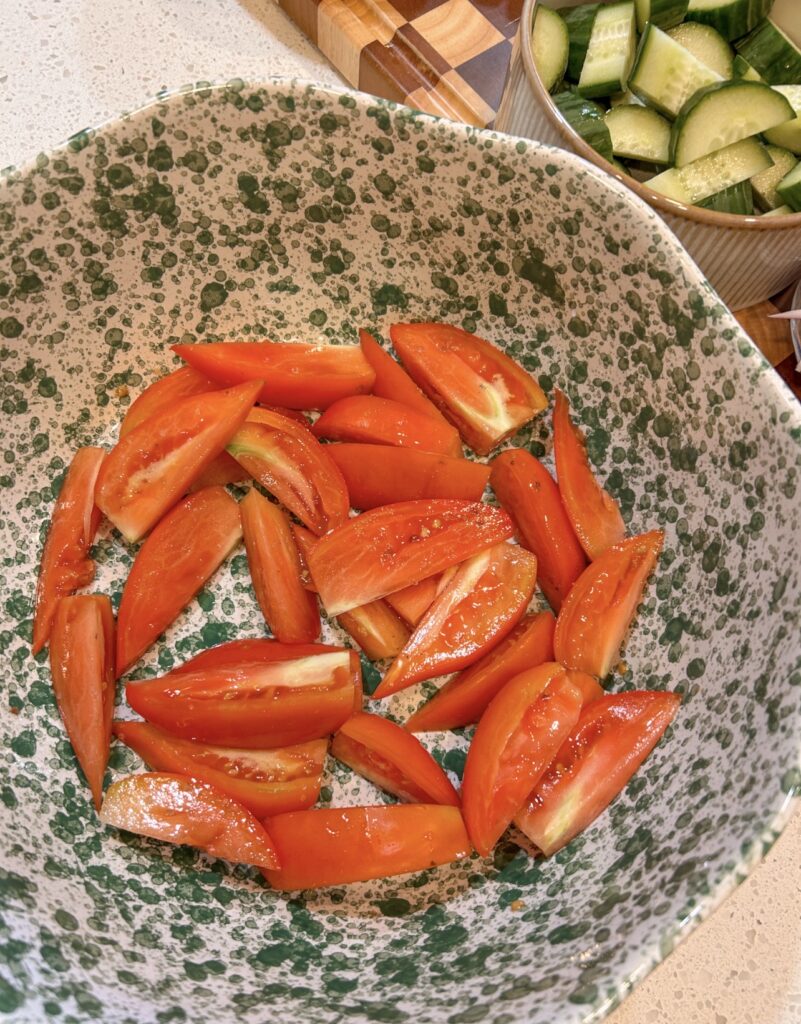
Let the Tomatoes Rest
Start by cutting the tomatoes into large wedges and placing them in a large mixing bowl. Sprinkle them lightly with a pinch of salt and let them rest for about 10 minutes while you prepare the remaining ingredients. As they sit, the tomatoes release their natural juices, creating an even more flavorful dressing.
Prepare the Vegetables
Slice the cucumber into thick half-moons, cut the green bell pepper into bite-sized strips, and thinly slice the red onion. Add them to the bowl along with the Kalamata olives.
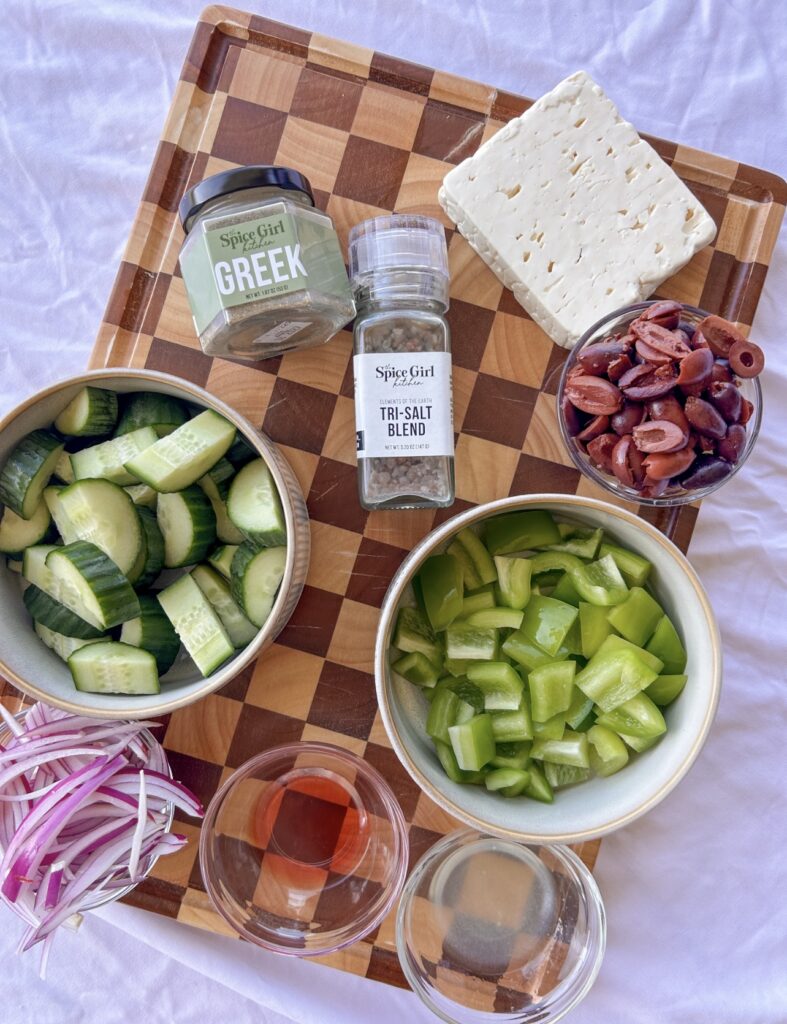
Whisk Together the Dressing
In a small bowl or liquid measuring cup, whisk together the extra virgin olive oil, red wine vinegar, fresh lemon juice, the remaining salt, black pepper, and Greek Seasoning until well combined.
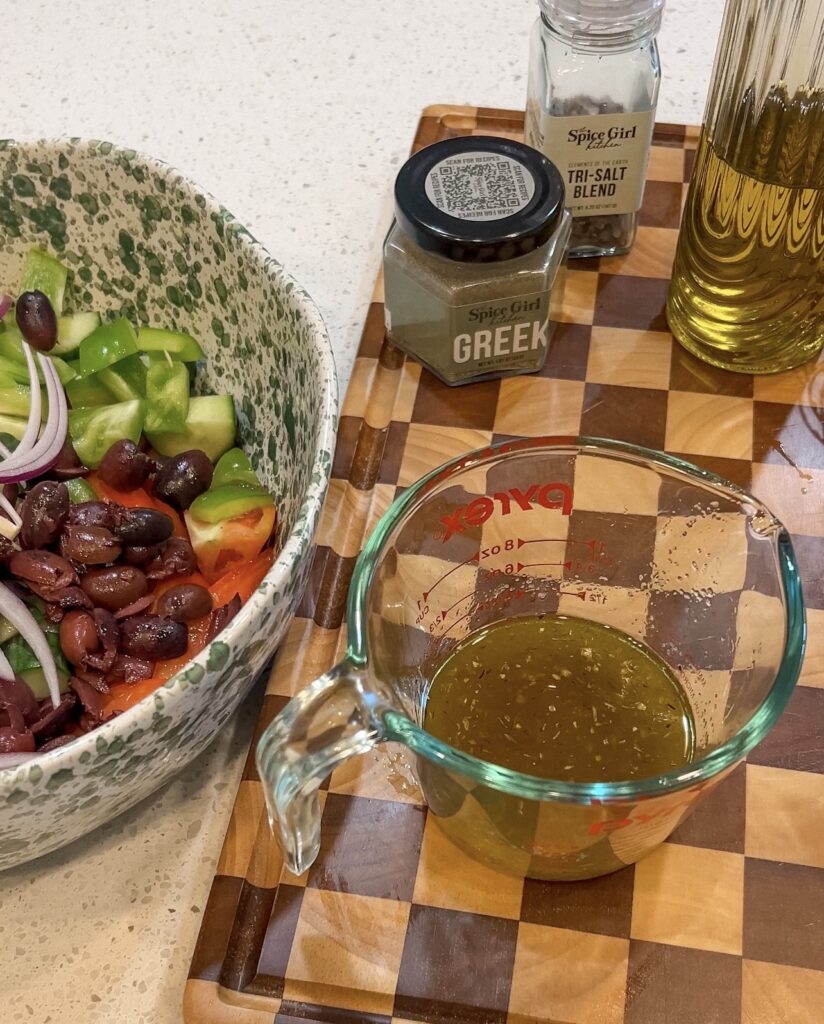
Toss the Salad
Pour the dressing over the vegetables and gently toss everything together until the vegetables are evenly coated. Be careful not to overmix so the tomatoes keep their shape.
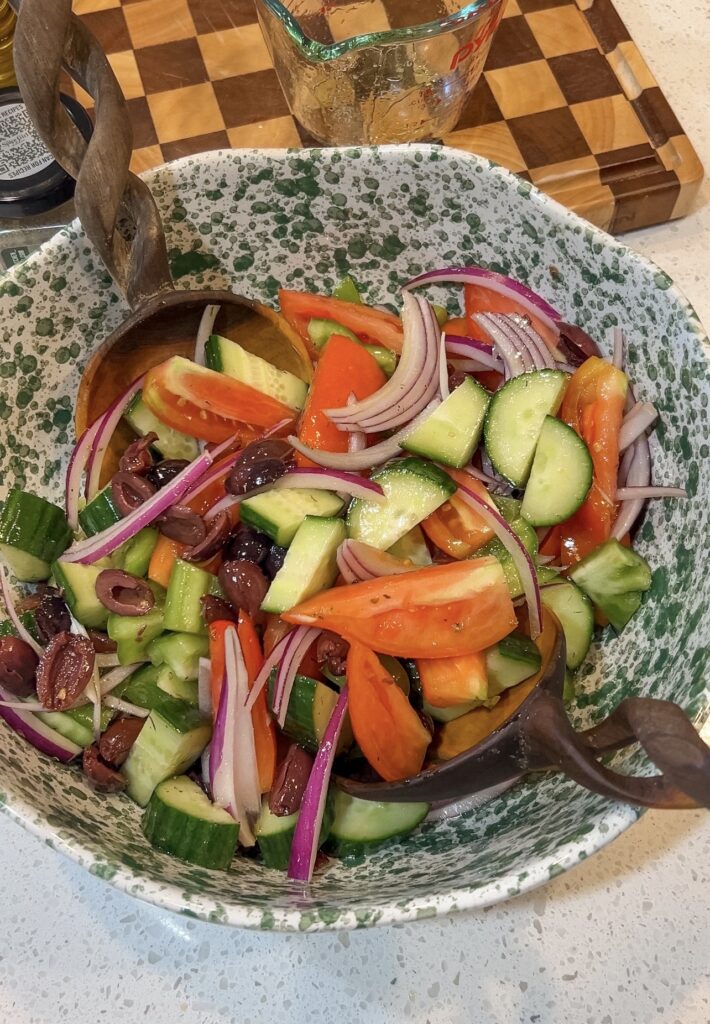
Add the Feta
Place the block of feta on top of the salad for the most traditional presentation, or cut it into large rustic pieces and gently nestle it among the vegetables.
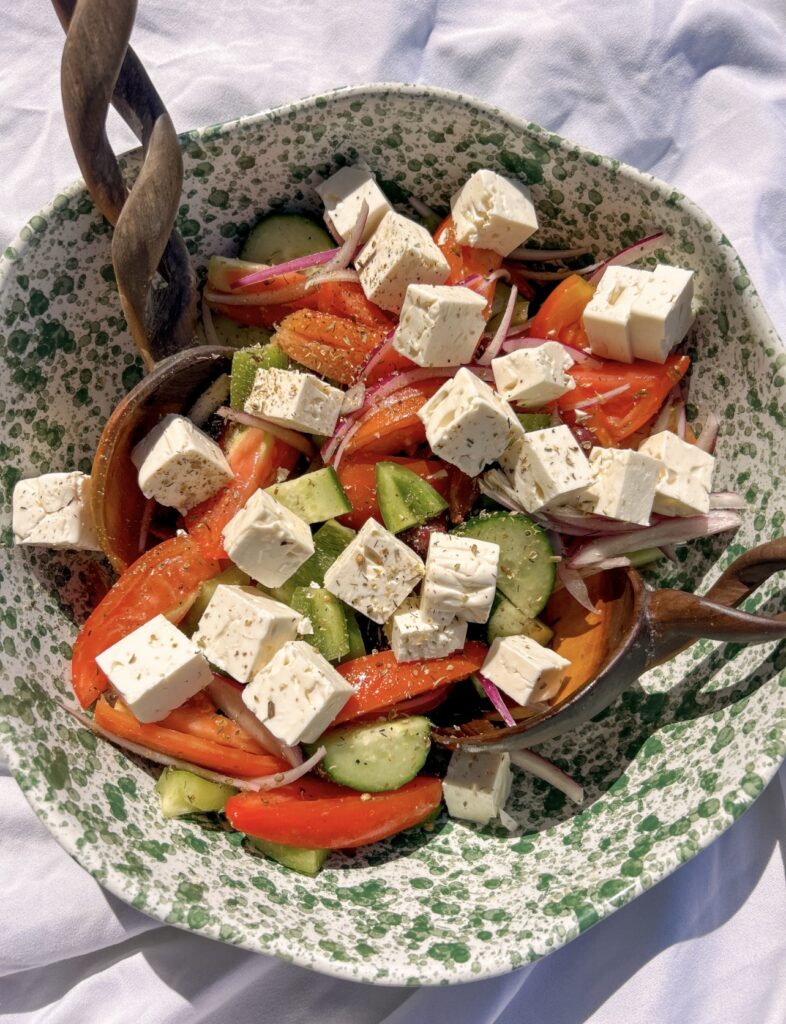
Finish and Serve
Sprinkle a little extra Greek Seasoning over the feta for even more Mediterranean flavor, then serve immediately with warm pita, crusty bread, or your favorite grilled protein.
Tips For The Best Horiatiki
- Use the ripest tomatoes you can find because they’re the star of the salad.
- Let the tomatoes rest with a little salt before assembling the salad. The juices they release become part of the dressing.
- Cut the vegetables into large rustic pieces instead of small diced pieces for a more authentic presentation.
- Block feta tastes significantly better than pre-crumbled feta.
- Wait until just before serving to add the dressing for the freshest texture.
- Toss gently after adding the feta so it keeps its shape.
Variations
Make It Even More Traditional
Some regions of Greece skip the vinegar altogether and simply dress the salad with excellent olive oil and the juices released from the tomatoes.
Add Protein
Turn this into a complete meal by serving it with:
- Grilled chicken
- Grilled shrimp
- Lamb chops
- Steak
- Grilled salmon
Make It Heartier
Serve with warm pita bread or a loaf of crusty bread to soak up the delicious dressing.
What to Serve with Traditional Greek Salad
This fresh Mediterranean salad pairs beautifully with:
- Chicken souvlaki
- Grilled lamb
- Lemon rice
- Mediterranean flatbread
- Grilled salmon
- Roasted potatoes
Storage
Traditional Greek Salad is best enjoyed fresh, but leftovers can be stored in an airtight container in the refrigerator for up to 2 days.
The vegetables will soften slightly as they sit, but the flavors become even more delicious. Give everything a gentle stir before serving again.
Frequently Asked Questions
Does authentic Greek salad have lettuce?
No. Traditional Horiatiki does not include lettuce. The salad focuses on fresh vegetables, olives, feta cheese, olive oil, and herbs.
What does Horiatiki mean?
Horiatiki translates to “village salad” and refers to the traditional Greek salad commonly served throughout Greece.
Can I make Greek salad ahead of time?
Yes. Chop the vegetables and prepare the dressing ahead of time, then toss everything together just before serving for the freshest texture.
What is the best feta for Greek salad?
Block feta packed in brine is the most authentic choice and offers the creamiest texture and richest flavor.
Do I have to use Kalamata olives?
Kalamata olives are traditional, but other brined black olives can be substituted if necessary.
Can I use dried oregano instead of Greek Seasoning?
Absolutely. Substitute about 2 teaspoons of dried oregano if you don’t have my Greek Seasoning.
More Greek Salads You’ll Love
If you love fresh Mediterranean flavors, be sure to check out the rest of my Greek salad collection. Whether you’re looking for a light lettuce salad, a hearty pasta salad, or something packed with fresh vegetables, there’s a Greek salad for every occasion.
- Maroulosalata (Greek Lettuce Salad)
- Chickpea Feta Salad
- Greek Cucumber Salad
- Greek Orzo Salad
- Mediterranean Kale Pasta Salad
- Americanized Greek Salad
Traditional Greek Salad (Horiatiki)
Ingredients
Equipment
Method
- Place the tomato wedges in a large mixing bowl and sprinkle them lightly with a pinch of the salt. Let them rest for 10 minutes while you prepare the remaining vegetables. This allows the tomatoes to release some of their juices, creating an even more flavorful dressing.
- Add the cucumber, green bell pepper, red onion, and Kalamata olives to the bowl with the tomatoes.
- In a small bowl or liquid measuring cup, whisk together the olive oil, red wine vinegar, lemon juice, black pepper, Greek seasoning, and salt until well combined.
- Pour the dressing over the vegetables and gently toss until everything is evenly coated.
- Place the block of feta on top of the salad or cut it into large rustic pieces and gently nestle it among the vegetables.
- Sprinkle a little additional Greek Seasoning over the feta, if desired, and serve immediately.
Video
Notes
- Greek Seasoning Substitute: Replace the Greek Seasoning with 2 teaspoons dried oregano.
- Use Block Feta: For the most authentic flavor and creamy texture, choose a block of feta packed in brine instead of pre-crumbled feta.
- Tomato Tip: Letting the tomatoes rest with a little salt helps draw out their juices, which become part of the dressing.
- Storage: Store leftovers in an airtight container in the refrigerator for up to 2 days. The vegetables will soften slightly but will still be delicious.
- Nutrition (per serving, 6 servings): 256 calories, 22g fat, 8g carbs, 8g protein, 2g fiber. Nutrition information is an estimate. Actual values may vary based on specific ingredients and brands used.
This post was all about Traditional Greek Salad (Horiatiki).
Did you try this recipe? Make sure to tag me @thespicegirlkitchen_ on Instagram or @thespicegirlkitchen on TikTok! I love seeing your recreations! I will be your ultimate hype woman!
Want to learn more about Kelsey? Click here to read her story!




[…] Traditional Greek Salad (Horiatiki) […]